Information about AT&T's Artemis Project
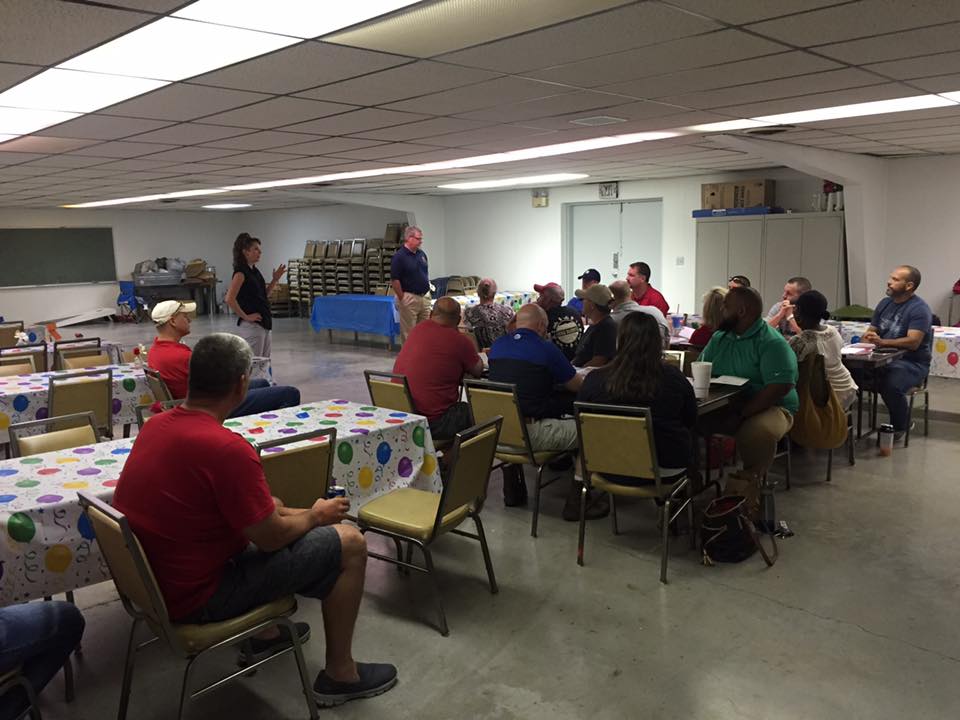
The Core Network Infrastructure Operations (CNIO) organization, in the Corey Anthony organizational unit, plans to introduce Artemis to the Southeast Region Electronic Technicians. It is anticipated that other organizations and employees may be involved as the project progresses.
Project Artemis is a long‑term modernization of the company’s network. In simple terms, it replaces many older, separate network systems with one modern, software‑driven platform. The goal is to make the network more reliable, easier to maintain, and capable of supporting future services. This change cannot be accomplished by simply maintaining existing equipment; it requires new technology, new processes, and a phased migration over several years. The below information is intended to clearly explain the technology at a high level, why the change is necessary, and how it may affect work, schedules, and staffing.
The Technology
- Today's network is made up of many older systems that were built at different times for different purposes.
- These systems rely heavily on specialized hardware and are increasingly difficult to maintain.
- Project Artemis replaces these separate systems with one software‑driven network.
- Software controls how traffic moves instead of fixed hardware paths.
- This allows the network to be updated and adjusted faster and more efficiently.
Why This Change Is Important
- Legacy equipment is aging and becoming harder to support.
- Vendors are discontinuing older platforms and parts.
- Customers expect faster speeds, better reliability, and quicker service changes.
- Artemis creates a sustainable network that can support future business needs.
What Is Changing – and What Is Not
- The underlying transport network technology is changing.
- Customers will be migrated from legacy platforms to Artemis over time.
- Service continuity and customer experience remain priorities.
Work Required at a High Level
- Installation of new equipment in offices.
- Testing and turn‑up of the Artemis network.
- Migration of customers from old equipment to the new platform.
- Night work is expected to reduce customer impact.
After Migration
- Legacy network equipment will no longer be the primary platform.
- Some older equipment may be removed or left in place temporarily.
- Support needs for legacy systems will decline over time.
- Long‑term impacts will be evaluated after migrations are complete.
Key Messages
- This is a phased, long‑term transition.
- The objective is a simpler, more reliable network.
- Employees and union partners remain essential to success.
- Ongoing communication will continue throughout the project.
Workforce Impacts – What We Know
- Workload will increase during build, test, and migration phases.
- Night work is expected in all markets (migrations).
- Temporary assignments or geographic mobility may be required.
- Work share opportunities will be considered to accelerate migrations (night work).
The business unit plans to begin rolling out Artemis as early as Q4 2026. The objective is to implement Artemis across all the Southeast Region, and the project is currently scheduled to take 4-5 years.
Steward Training